
The Next Step in Hydroponics: Delving Deeper into System Choices

Hey guys, it is Arthur here. In our previous blog, we uncovered the wonders of hydroponic gardening, and now it's time to take our green thumb skills to the next level. Whether you're a seasoned gardener or a curious beginner, this blog is your ultimate handbook for choosing the perfect hydroponic growing system. From essential considerations to exploring the different types of setups, get ready to embark on an exciting hydroponic journey!


What to Consider When Buying a Hydroponic Growing System:

Space and Setup: Evaluate your available space and choose a system that fits your indoor or outdoor environment. Consider factors like the number of plants you want to grow and the layout that suits your gardening preferences.


Budget and Investment: Determine your budget and decide how much you're willing to invest in your hydroponic setup. Remember, the initial investment often pays off in faster growth and higher yields.


Maintenance and Time Commitment: Consider your time availability for gardening. Some systems require more hands-on attention, while others are designed for low-maintenance gardening.


Types of Plants: Identify the types of plants you want to grow. Different hydroponic systems cater to specific plant varieties, so choose one that aligns with your gardening goals.


Experience Level: Assess your gardening experience. Beginners may prefer simpler systems like the Kratky method, while seasoned gardeners might enjoy more advanced setups like nutrient film technique (NFT).


Types of Hydroponic Growing Systems:

Deep Water Culture (DWC): Simple and beginner-friendly, this system suspends plant roots in a nutrient-rich solution, promoting fast growth and healthy plants.
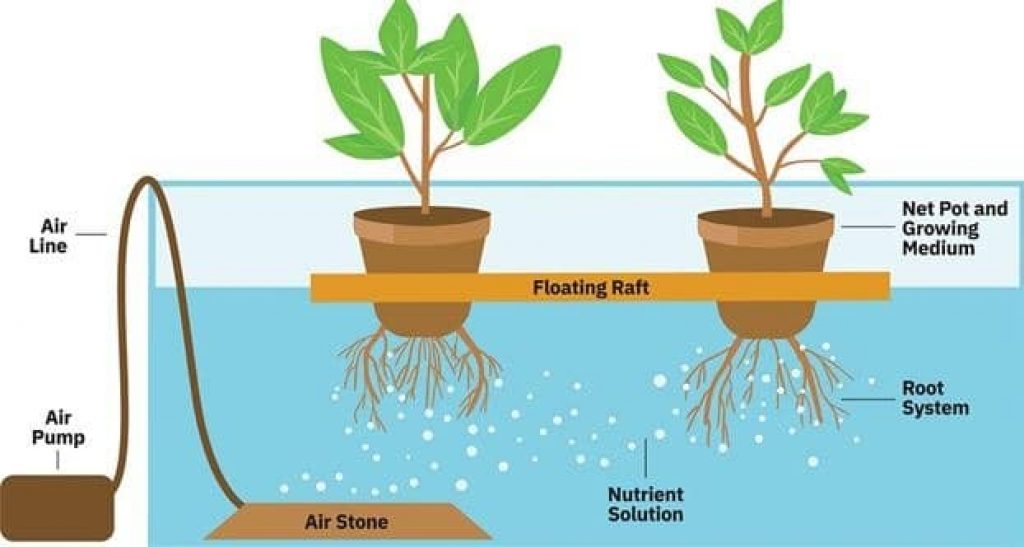

Nutrient Film Technique (NFT): Ideal for small spaces, NFT systems circulate a thin film of nutrient solution over plant roots, providing constant nourishment.
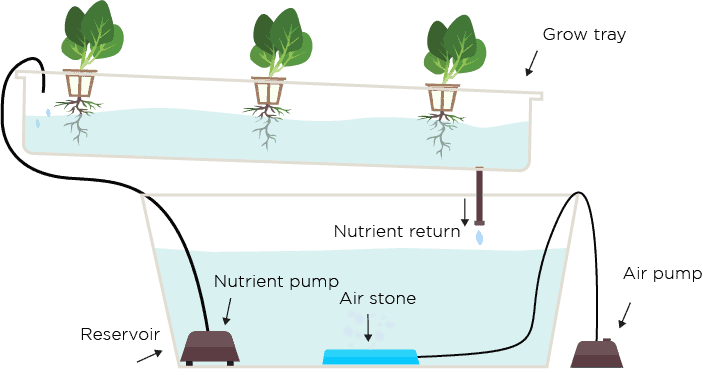

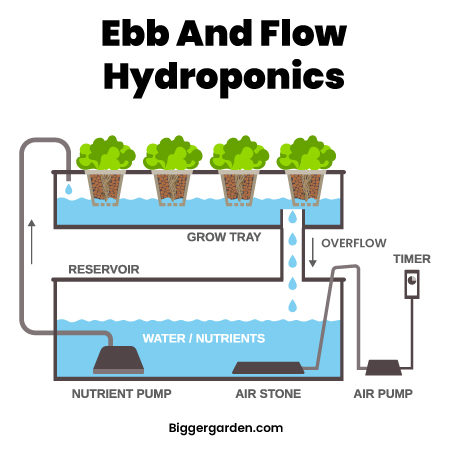
Ebb and Flow (Flood and Drain): Versatile and widely used, this system floods the plant roots with nutrient solution at regular intervals, allowing oxygen to reach the roots during drainage.

Drip System: A popular choice for commercial hydroponics, drip systems provide a controlled flow of nutrient solution to plant roots through a network of tubes.


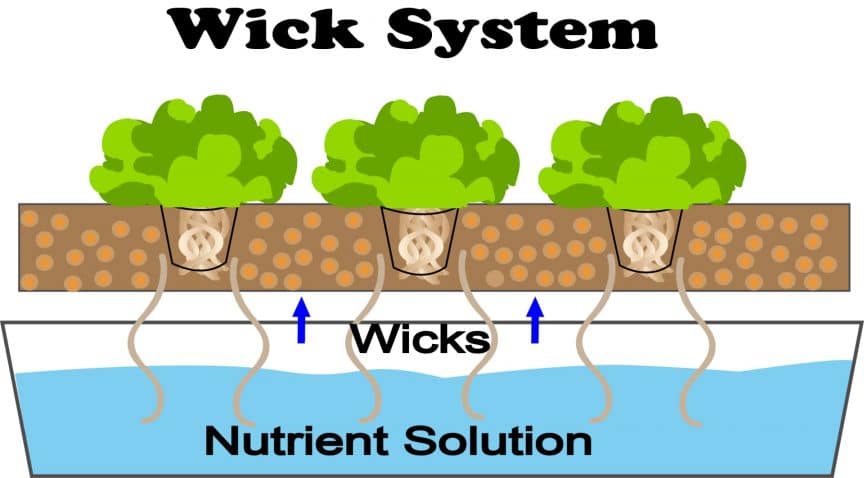
Wick System: Simple and low-cost, wick systems use capillary action to draw nutrients from a reservoir to the plant roots.

With this comprehensive hydroponic handbook, you're well-equipped to embark on your hydroponic gardening journey. Consider key factors when buying your ideal system, and explore the various types to find the perfect match for your green thumb aspirations. Embrace the art of soil-less gardening and watch your plants thrive in a nutrient-rich, water-efficient, and space-saving paradise. Get ready to grow, nurture, and harvest your way to a bountiful and fulfilling hydroponic garden!


#TechGardener #HydroponicsExplained #GardeningEnthusiast #HydroponicsInsights #EcoFriendlyGardener #ModernGardening #HydroponicWonders #GreenerLiving #HydroponicCommunity #GardeningPassion #HydroponicGardening #HydroponicSystems #HydroponicGuide #IndoorGardening #TechGardening #UrbanGardening #SoillessGardening #HydroponicJourney #HydroponicTips #GreenThumb

Comments

Popular posts from this blog

TV Giants Unveiled: Exploring Samsung, Sony, TCL, and Roku

Welcome back, fellow TV enthusiasts! In our previous blogs, we explored the essential parameters to consider when buying TVs. Now, let's take a closer look at some of the top TV manufacturers in the industry: Samsung from South Korea, Sony from Japan, TCL from China, and Roku from the United States. These brands have made significant contributions to the world of home entertainment, offering a wide range of TV models that cater to various needs and preferences. Join us as we dive into the strengths and unique features of each brand, helping you make an informed decision when it's time to upgrade your viewing experience. Samsung : Innovating the Future of TV Technology With a rich history spanning decades, Samsung has become synonymous with cutting-edge TV technology. Known for their sleek designs, vibrant displays, and advanced features, Samsung TVs deliver impressive picture quality, immersive audio, and intuitive smart functions. The brand's commitment to innovation ha...

TV Stick Showdown: Amazon Fire Stick vs Roku Streaming Stick+ vs Google Chromecast with Google TV

Arthur here !  As more and more people cut the cord on cable and satellite TV, streaming devices have become increasingly popular. One of the most popular types of streaming devices is the TV stick, which is a small device that plugs into your TV’s HDMI port and allows you to stream content from a variety of online sources. TV sticks are convenient and affordable, and they offer a lot of value for the money. With so many options available, it can be difficult to know which TV stick to choose. In this article, we’ll compare three popular TV sticks: the Amazon Fire TV Stick, the Roku Streaming Stick+, and the Google Chromecast with Google TV. Key Factors to Consider When Choosing a TV Stick Before we dive into the specific reviews of each TV stick, there are a few key factors to consider when choosing a TV stick. Firstly, consider the streaming services you use or want to use. Not all TV sticks offer access to the same streaming services, so it’s important to choose one that offers t...

Decoding Monitor Parameters: A Step-by-Step Guide to Finding Your Ideal Display

Hey there, its Arthur here ! Remember when we talked about the different types of display panels in our last blog? Well, now it's time to dive deeper into the world of monitor specifications. In this guide, we'll cover the essential parameters you need to consider when purchasing a monitor. Let's build upon our knowledge and find that perfect display that suits your needs and elevates your viewing experience! Screen Size and Resolution: Finding the Right Balance Consider a screen size between 24 to 27 inches for a comfortable viewing experience. For resolution, opt for Full HD (1920x1080) or higher for sharp details. Refresh Rate and Response Time: Smooth and Responsive Performance Look for a minimum refresh rate of 75Hz for smooth visuals, while a response time of 1ms or lower reduces motion blur in fast-paced content. Panel Technology: VA, IPS, or TN - Which One Fits Your Needs? VA panels offer deep blacks and high contrast ratios. IPS panels provide accurate colors and w...