Arthur here ! Happy Easter, everyone !
In our previous blog post, we explored the reasons why TV sticks are essential in today's world. However, some viewers asked why we need TV sticks at the first place. In this blog, we'll dive deeper into the context behind TV sticks and explain why they have become a popular choice for entertainment streaming.

Television has come a long way since its invention. From black and white screens to color TVs and now, smart TVs. The rise of smart TVs has made streaming content online more accessible and convenient. However, not everyone has a smart TV or wants to invest in one. This is where TV sticks come in.
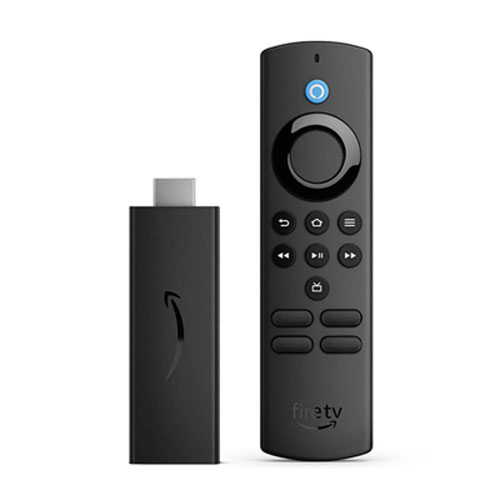
TV sticks, also known as streaming sticks, are small devices that plug into your TV's HDMI port and allow you to stream content directly from the internet. These devices have revolutionized the way we watch TV, offering an affordable and convenient alternative to cable TV.
So why do we need TV sticks?
Access to a vast range of content
With a TV stick, you can access a vast range of content from streaming services like Netflix, Hulu, Amazon Prime Video, and Disney+. These services offer a wide range of TV shows, movies, and documentaries that cater to different tastes and preferences. Moreover, with a TV stick, you can also access live TV channels like CBS, NBC, and ABC.
Cost-effective alternative to cable TV
Cable TV can be expensive, with some packages costing over $100 per month. TV sticks offer a cost-effective alternative to cable TV, allowing you to access a vast range of content at a fraction of the cost. For instance, the Amazon Fire TV Stick, one of the most popular TV sticks on the market, costs only $39.99.
Convenience and flexibility
One of the biggest advantages of TV sticks is their convenience and flexibility. With a TV stick, you can watch your favorite TV shows and movies on your schedule. You don't have to worry about missing an episode or scheduling your life around TV shows. Moreover, TV sticks are portable, meaning you can take them with you wherever you go and watch your favorite shows on the go.
User-friendly interface
TV sticks offer a user-friendly interface that is easy to navigate, even for non-tech-savvy individuals. The interface is designed to help you find the content you want to watch quickly. Moreover, TV sticks come with voice search functionality, allowing you to search for content using your voice.
Upgradability
TV sticks are designed to be upgradable, meaning you can update the software to get the latest features and functionality. This ensures that your TV stick remains relevant and up to date with the latest streaming services and technologies.
In summary, TV sticks have become an essential part of modern entertainment streaming, offering a cost-effective, convenient, and flexible alternative to traditional cable TV. They provide access to a vast range of content, are user-friendly, portable, and upgradable, making them a valuable addition to any home entertainment setup.
As content consumption continues to evolve, we understand that viewers may have different needs and preferences. We care about our audiences and are always open to hearing their feedback and questions. If there is anything else you want to learn more about TV sticks or any other technology-related topic, let us know, and we'll be happy to explore it in our future posts.
#GadgetReview #TechNews #SmartHome #ConsumerElectronics #StreamingTechnology #EntertainmentTech #PortableGadgets #LatestTech #TechBlog #InnovativeTech #TVStick #StreamingDevices #EntertainmentStreaming #CordCutting #AffordableEntertainment #CutTheCable #SmartTV #BingeWatching #FlexibleViewing #UserFriendlyTechnology
Comments
Post a Comment